I recall early on during the pandemic and the lockdowns that followed the rush to acquire personal protective equipment (PPE), items such as sanitisers, protective gloves and, particularly, masks. A portion of those supplied turned out not to be fit for purpose, wasting a lot of money and natural resources.
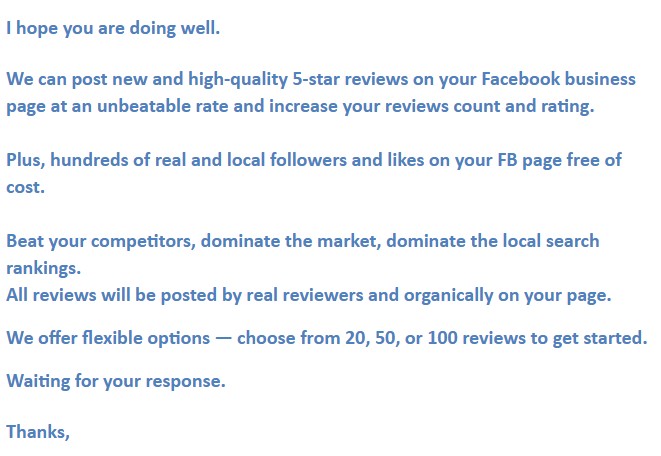
In parallel with suppliers knowingly making a fast buck there were pages upon pages of remarkably similar content found via search engines reviewing and praising many masks, creating credentials from thin air, and, again, without merit. The more long-established media has also been home many times to unsubstantiated claims and, effectively, paid for reviews and praise of goods and services. But social media has been, even before the rise of AI, another home to fake reviews and unjustified reputation.
Now, with bots and human agents of chaos at work, both qualitative and quantitative online content on platforms such as X, Facebook, and Instagram are being manipulated. I worked with a client who paid for around a thousand followers on (then) Twitter, and, when I took over their social media for a while, painstakingly blocked these obvious fakers whose accounts had no character or activity beyond following accounts apparently at random and not generating any ‘real’ content themselves. Now, AI is likely to be enabling account control that will enable paid-for social media followers to be rather more convincing. Sigh.
There must be an opportunity for the digital barons to clamp down on this, as on so many other evils that happen to earn them money. Will it be taken? Unlikely. So it is that, just as we need bold media with principles around truth and accuracy to come forward as bold media, evidently there is a need for alternative, bold digital media as well.
Darren Weale,
Founder, In Tune PR
Recent Comments